Non Prescription Anti Inflammatory Drugs List
- 1.
Why Do We Reach for Non Prescription Anti Inflammatory Drugs Like They’re Candy?
- 2.
What Exactly Are Non Prescription Anti Inflammatory Drugs?
- 3.
What Is the Strongest Non Prescription Anti Inflammatory?
- 4.
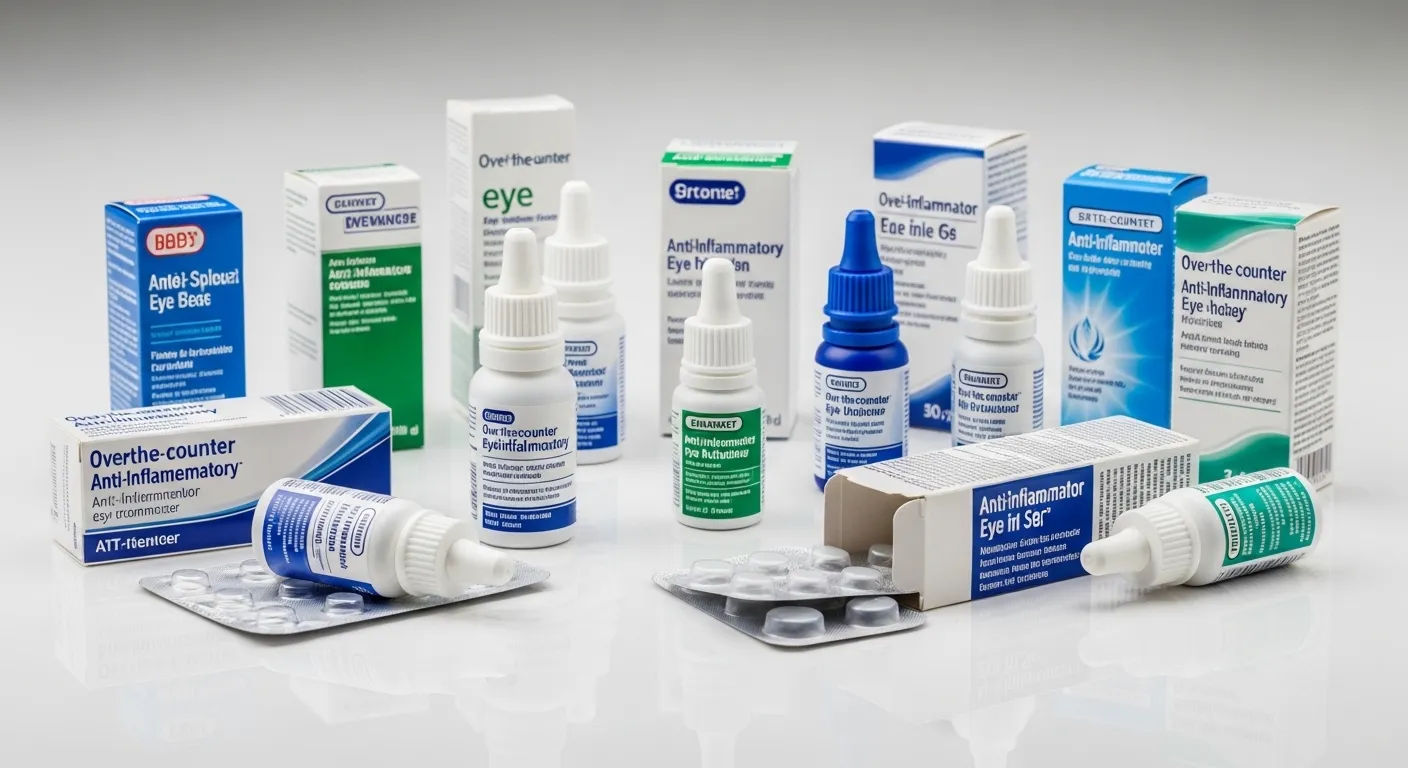
What Anti-Inflammatory Drugs Can You Buy Over-the-Counter?
- 5.
Safety First: Risks and Side Effects of Non Prescription Anti Inflammatory Drugs
- 6.
What Is the Strongest Over-the-Counter Option for Pain and Swelling?
- 7.
Can You Take Non Prescription Anti Inflammatory Drugs While Pregnant?
- 8.
How to Choose the Right Non Prescription Anti Inflammatory Drug for You
- 9.
Myths About Non Prescription Anti Inflammatory Drugs—Busted
- 10.
Smart Habits for Using Non Prescription Anti Inflammatory Drugs Responsibly
Table of Contents
non prescription anti inflammatory drugs
Why Do We Reach for Non Prescription Anti Inflammatory Drugs Like They’re Candy?
Ever twist your ankle chasing the ice cream truck (hey, we’ve all been there) and immediately rummage through the medicine cabinet like it’s Black Friday? Yeah, that’s the magic—and sometimes the danger—of non prescription anti inflammatory drugs. They’re fast, cheap (usually under 10 USD), and promise relief before your Netflix episode ends. But here’s the kicker: not all OTC painkillers are created equal, and popping them like Tic Tacs can backfire harder than a bad first date. We’ve leaned on these little pills for everything from post-gym soreness to “my-back-hurts-because-I-slept-like-a-starfish” syndrome. But do we really know what we’re swallowing when we grab those non prescription anti inflammatory drugs? Spoiler: probably not—and that’s why we’re diving deep today.
What Exactly Are Non Prescription Anti Inflammatory Drugs?
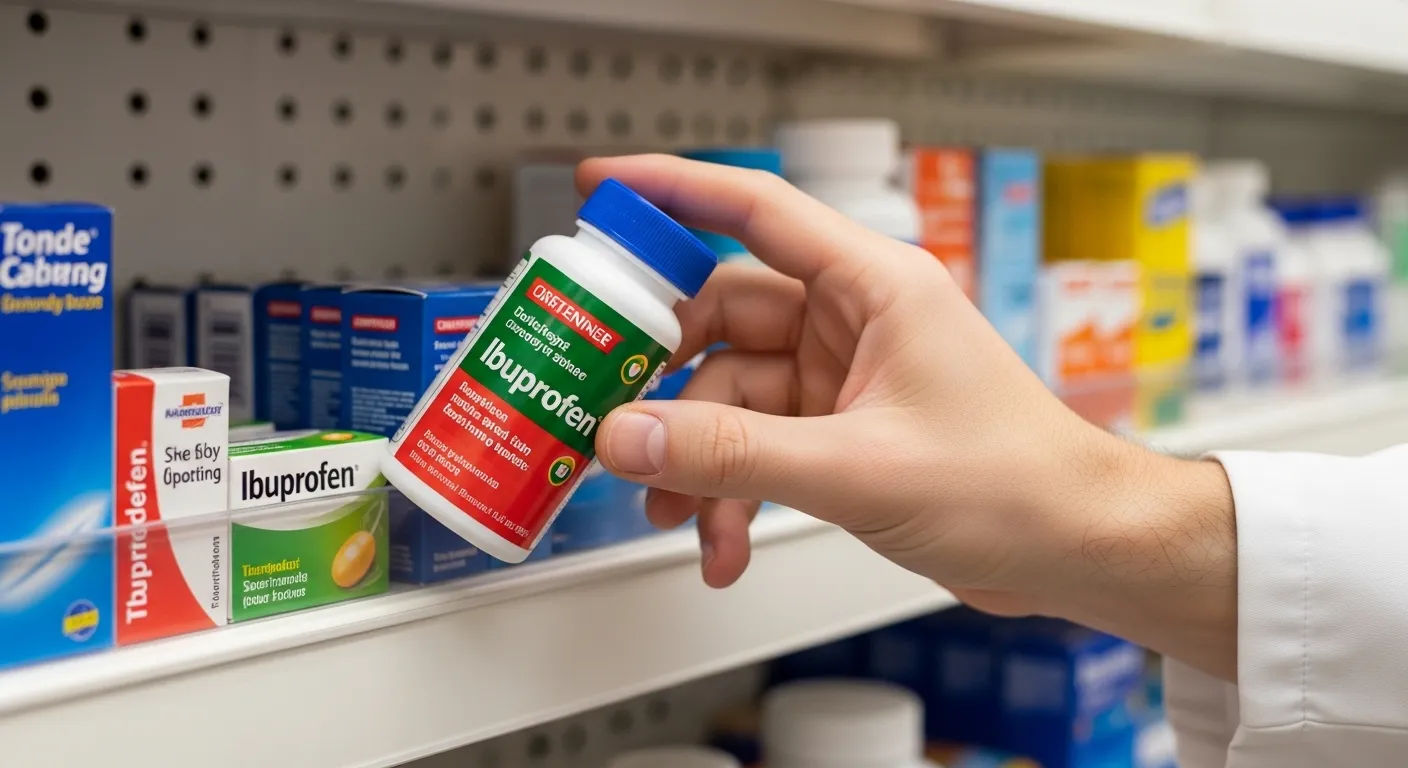
Let’s break it down like we’re explaining it to our slightly confused but well-meaning Aunt Carol. Non prescription anti inflammatory drugs—also known as over-the-counter (OTC) NSAIDs (nonsteroidal anti-inflammatory drugs)—are medications you can buy without a doctor’s note to reduce pain, fever, and inflammation. The usual suspects? Ibuprofen (Advil, Motrin), naproxen sodium (Aleve), and aspirin. Unlike acetaminophen (Tylenol), which tackles pain and fever but *not* inflammation, these actually calm the body’s inflammatory response at the source. So if your knee’s swollen after hiking or your period cramps feel like a tiny wrestler is inside you, these are your go-to. But—and this is a big but—they’re not harmless just because they’re behind the pharmacy counter instead of locked up.
What Is the Strongest Non Prescription Anti Inflammatory?
Ah, the million-dollar question: “What is the strongest non-prescription anti-inflammatory?” Well, among OTC options, **naproxen sodium** (Aleve) often takes the crown for longest-lasting and most potent anti-inflammatory effect—lasting up to 12 hours per dose, compared to ibuprofen’s 4–6. That said, “strongest” doesn’t always mean “best for you.” Ibuprofen acts faster, making it better for sudden headaches or fevers, while naproxen shines for chronic issues like arthritis flare-ups. Aspirin? Still around, but mostly used for heart protection now, not inflammation. Bottom line: the “strongest” non prescription anti inflammatory drugs depend on your symptoms, stomach sensitivity, and even kidney health. One person’s miracle pill is another’s midnight ER visit.
What Anti-Inflammatory Drugs Can You Buy Over-the-Counter?
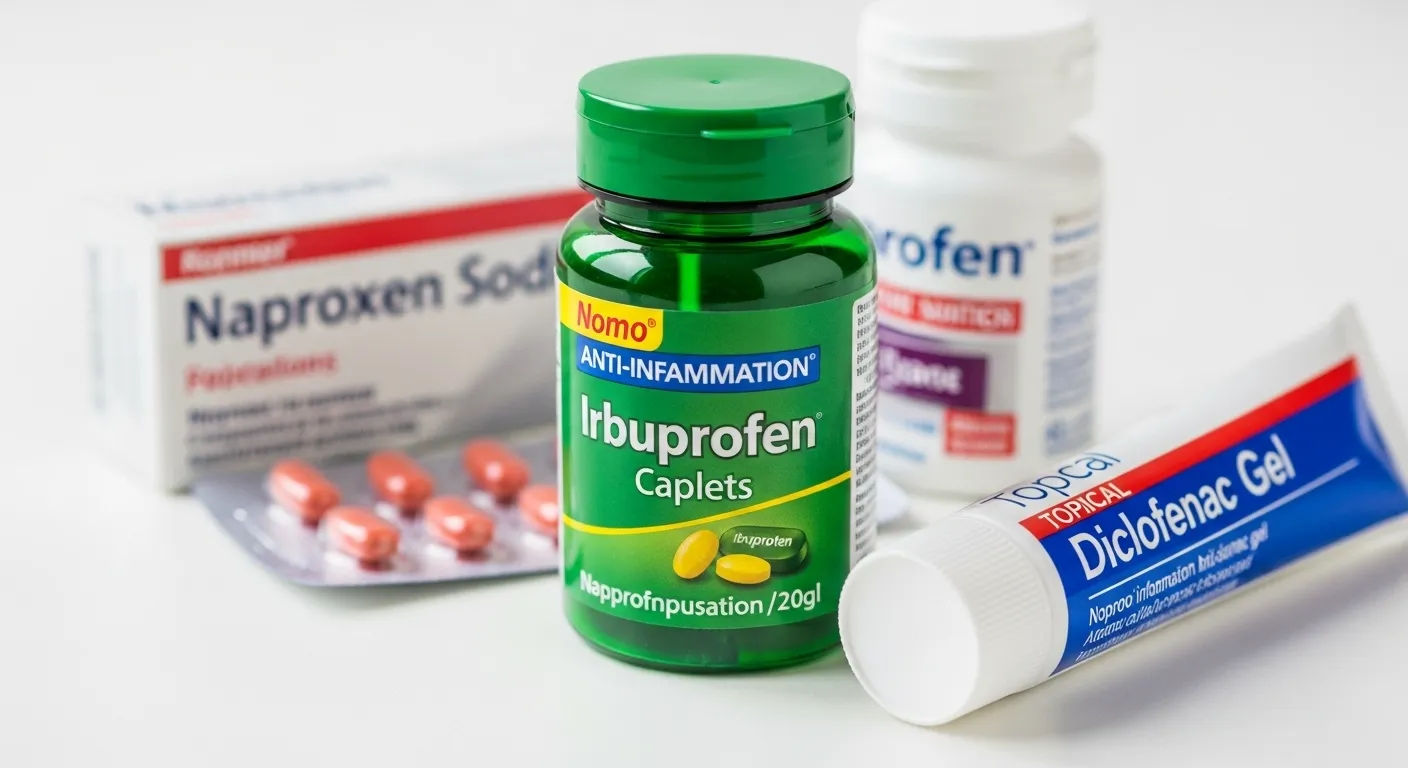
Walk into any drugstore in the U.S., and you’ll find shelves stacked with colorful boxes promising relief. The main non prescription anti inflammatory drugs approved by the FDA include:
- Ibuprofen (200 mg tablets – Advil, Motrin IB)
- Naproxen sodium (220 mg caplets – Aleve)
- Aspirin (regular or enteric-coated – Bayer, Ecotrin)
Safety First: Risks and Side Effects of Non Prescription Anti Inflammatory Drugs
Here’s where things get real. Just because you can buy non prescription anti inflammatory drugs next to gum and batteries doesn’t mean they’re risk-free. Long-term or high-dose use can lead to stomach ulcers, kidney damage, increased blood pressure, and even heart issues. The FDA actually requires a black-box warning on all NSAIDs about cardiovascular risks. And get this: taking ibuprofen on an empty stomach is like inviting heartburn to a sleepover—it *will* crash. To minimize harm, always take with food, stick to the lowest effective dose, and never mix NSAIDs (yes, that means don’t pop Advil *and* Aleve “just to be sure”). If you’ve got asthma, kidney disease, or are over 65, talk to your doc before making these a habit. Your future self will thank you.

What Is the Strongest Over-the-Counter Option for Pain and Swelling?
When folks ask, “What is the strongest over-the-counter option?” they usually mean: “What’ll knock this pain out fastest?” For pure anti-inflammatory power, **naproxen sodium (Aleve)** edges out ibuprofen in duration and tissue penetration—making it ideal for muscle strains, tendonitis, or menstrual cramps that won’t quit. But ibuprofen wins for speed: it peaks in your bloodstream in 1–2 hours vs. naproxen’s 2–4. So headache now? Go ibuprofen. Sore shoulder all week? Naproxen’s your buddy. Just remember: “strongest” isn’t a green light to double the dose. More isn’t better—it’s just more dangerous. Stick to label instructions, and give your body time to respond to these non prescription anti inflammatory drugs.
Can You Take Non Prescription Anti Inflammatory Drugs While Pregnant?
Big red flag here. If you’re expecting, most non prescription anti inflammatory drugs—especially ibuprofen and naproxen—are a hard no after 20 weeks. Why? They can cause serious complications like low amniotic fluid, premature closure of a fetal blood vessel, or even miscarriage in early pregnancy. The American College of Obstetricians and Gynecologists (ACOG) recommends **acetaminophen (Tylenol)** as the safest pain reliever during pregnancy—but even that should be used sparingly and only after consulting your OB-GYN. So if you’re preggo and hurting, skip the Advil aisle entirely. Your baby’s safety trumps that backache, and there are gentler ways to manage discomfort (think warm compresses, prenatal yoga, or physical therapy). Never assume OTC = safe during pregnancy.
How to Choose the Right Non Prescription Anti Inflammatory Drug for You
Picking the best non prescription anti inflammatory drugs isn’t one-size-fits-all. Got a sensitive stomach? Try enteric-coated naproxen or take it with a full meal. Prone to high blood pressure? Avoid NSAIDs altogether unless cleared by your doctor. Need something fast for a migraine? Ibuprofen + caffeine (like in some OTC migraine formulas) might help. Here’s a quick-reference table:
| Drug | Onset | Duration | Best For | Cautions |
|---|---|---|---|---|
| Ibuprofen | 30–60 min | 4–6 hrs | Headaches, fevers, short-term pain | Stomach irritation, kidney risk |
| Naproxen | 2–4 hrs | 8–12 hrs | Arthritis, muscle soreness, periods | Higher CV risk with long use |
| Aspirin | 30 min | 4–6 hrs | Fever, minor pain (less common now) | Reye’s syndrome in kids, bleeding risk |
When in doubt, read the Drug Facts label—and if you’re on blood thinners, SSRIs, or steroids, check with a pharmacist first. These non prescription anti inflammatory drugs play well with some meds and start fights with others.
Myths About Non Prescription Anti Inflammatory Drugs—Busted
Myth #1: “OTC means totally safe.” Nope—NSAIDs send over 100,000 Americans to the hospital yearly. Myth #2: “More pills = faster relief.” Actually, overdosing can cause liver or kidney failure. Myth #3: “Generic brands don’t work as well.” False—they contain the same active ingredient as name brands, just cheaper. Myth #4: “You can drink alcohol while taking them.” Big mistake—alcohol + NSAIDs = ulcer city. Truth is, non prescription anti inflammatory drugs are powerful tools—but only when used wisely. Don’t let convenience fool you into thinking they’re harmless. Your gut, kidneys, and heart are counting on you to respect the dose.
Smart Habits for Using Non Prescription Anti Inflammatory Drugs Responsibly
Using non prescription anti inflammatory drugs responsibly means treating them like what they are: real medicine. Start with the lowest dose that works. Never exceed 3 days for fever or 10 days for pain without medical advice. Keep a log if you use them regularly—your doctor will want to know. And pair them with non-drug strategies: ice for acute injuries, heat for stiffness, stretching for tight muscles. Most importantly, don’t ignore recurring pain—it could signal something bigger than a pulled muscle. If you’re curious about alternatives or want deeper insights, swing by Catabasis Pharma, explore our Medicine section, or check out our detailed guide on NSAID Over-the-Counter Pain Ease. Because knowledge isn’t just power—it’s prevention.
Frequently Asked Questions
What is the strongest non-prescription anti-inflammatory?
Among non prescription anti inflammatory drugs, naproxen sodium (Aleve) is generally considered the strongest and longest-lasting OTC NSAID for reducing inflammation, providing relief for up to 12 hours per dose.
What is the strongest over-the-counter option?
The strongest over-the-counter anti-inflammatory option is naproxen sodium (Aleve), though ibuprofen (Advil) acts faster for acute pain. Both are effective non prescription anti inflammatory drugs, but choice depends on symptom type and individual health factors.
What anti-inflammatory drugs can you buy over-the-counter?
You can buy several non prescription anti inflammatory drugs over-the-counter, including ibuprofen (Advil, Motrin IB), naproxen sodium (Aleve), and aspirin. These are FDA-approved NSAIDs that reduce pain, fever, and inflammation without a prescription.
What can I take for inflammation while pregnant?
During pregnancy, most non prescription anti inflammatory drugs like ibuprofen and naproxen are not recommended, especially after 20 weeks. Acetaminophen (Tylenol) is typically the safest option for pain or fever, but only after consulting your healthcare provider.
References
- https://www.fda.gov/drugs/postmarket-drug-safety-information-patients-and-providers/fda-strengthen-warning-certain-non-steroidal-anti-inflammatory-drugs-nsaids
- https://www.acog.org/womens-health/faqs/pain-relief-during-pregnancy
- https://www.ncbi.nlm.nih.gov/books/NBK557521/
- https://www.mayoclinic.org/drugs-supplements/ibuprofen-oral-route/precautions/drg-20069066