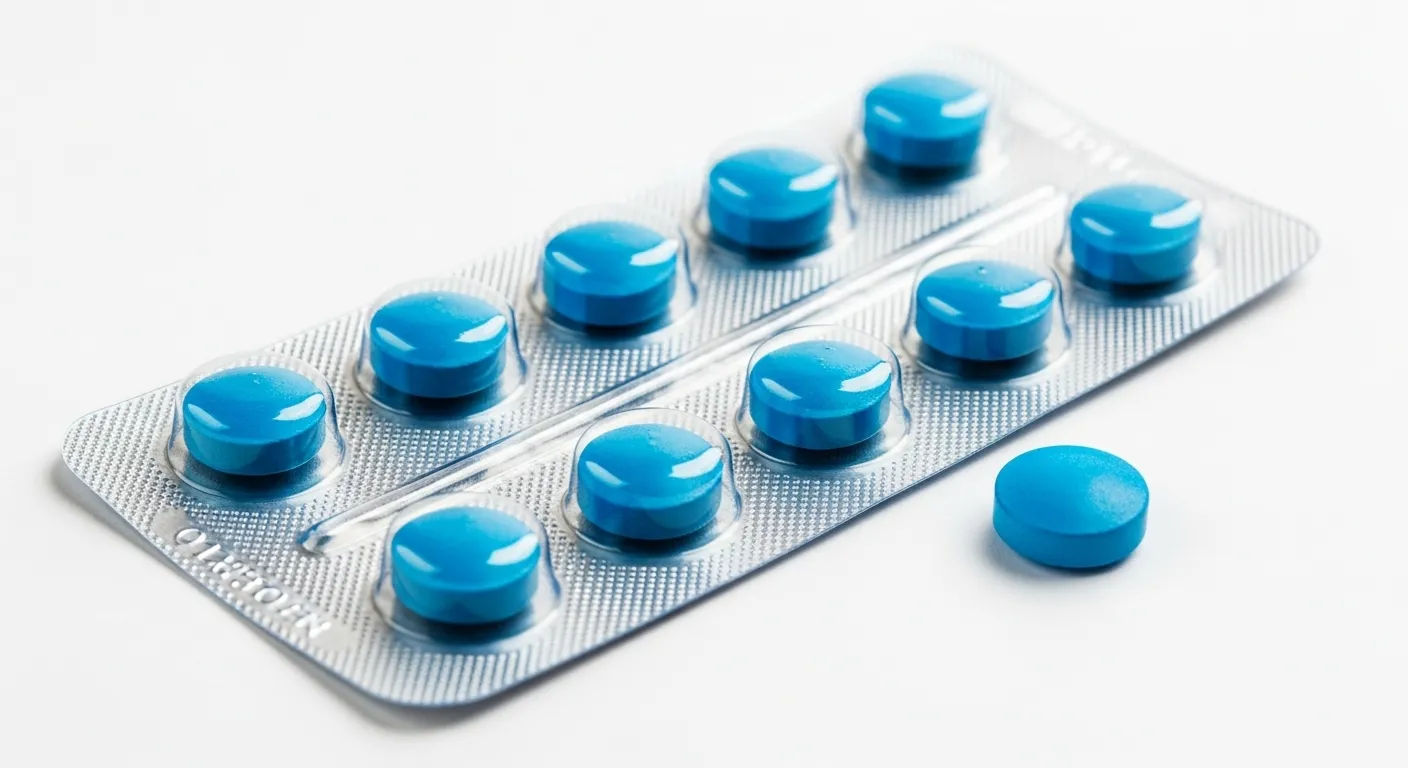
Over The Counter Anti Swelling Meds
- 1.
What makes a good over the counter anti swelling medication?
- 2.
What is the best over-the-counter medicine for swelling?
- 3.
What pill is best to reduce swelling? It depends on your body
- 4.
What OTC can reduce swelling safely and effectively?
- 5.
Understanding how over the counter anti swelling meds actually work
- 6.
Over the counter anti swelling options for kids: proceed with caution
- 7.
Common mistakes people make with over the counter anti swelling meds
- 8.
Natural alternatives vs. traditional over the counter anti swelling remedies
- 9.
Price, availability, and value of popular over the counter anti swelling brands
- 10.
Where to find reliable info on over the counter anti swelling treatments
Table of Contents
over the counter anti swelling
Ever wake up lookin’ like you lost a fight with a beehive? Face puffy, ankle throbbin’, fingers feelin’ like sausages after a backyard BBQ? Yeah, we’ve been there—swollen, confused, and reachin’ for anything that says “relief” on the label. But hold up: not all over the counter anti swelling meds are created equal. Some’ll knock out inflammation like a heavyweight champ; others? Might just hand you a placebo hug and charge you $12.99. So before you pop that mystery pill from your junk drawer, let’s break down what actually works—and what’s just fancy sugar in a bottle.
What makes a good over the counter anti swelling medication?
Key ingredients to look for in effective OTC anti-inflammatory drugs
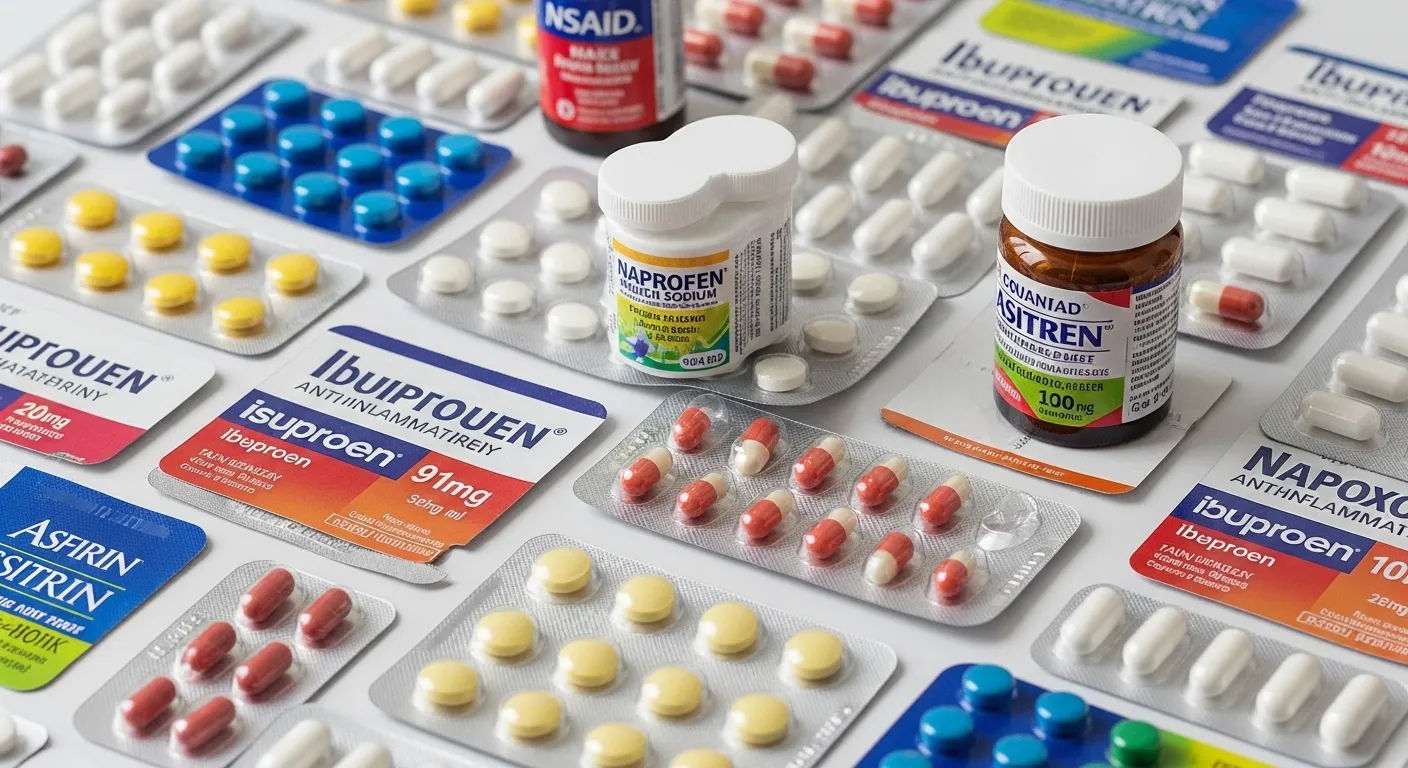
When it comes to over the counter anti swelling relief, two main players dominate the shelf: NSAIDs (nonsteroidal anti-inflammatory drugs) and acetaminophen. But here’s the tea—acetaminophen (like Tylenol) eases pain and fever, but *doesn’t* tackle inflammation. So if your knee’s blowin’ up like a basketball after a hike, skip the Tylenol. Go for ibuprofen (Advil, Motrin) or naproxen (Aleve). These bad boys block prostaglandins—the body’s little alarm bells that scream “SWELL HERE!”—and actually reduce both pain *and* swelling. That’s the real MVP energy right there.
What is the best over-the-counter medicine for swelling?
Comparing top OTC options for inflammation control
Alright, let’s cut through the noise. If you’re askin’, “What is the best over-the-counter medicine for swelling?”—the short answer is: **naproxen sodium** (Aleve) for long-lasting relief (up to 12 hours), or **ibuprofen** (Advil) for faster action (kicks in ~30 mins). Both are solid picks under the over the counter anti swelling umbrella. But heads-up: Aleve’s gentler on the stomach for some folks, while ibuprofen’s better for acute flare-ups (think sprained ankle or post-workout soreness). Just don’t mix ‘em—or take ‘em on an empty stomach unless you enjoy heartburn as a side dish.
What pill is best to reduce swelling? It depends on your body
Personal factors that influence OTC anti-swelling effectiveness
Here’s the kicker: the “best” pill to reduce swelling ain’t one-size-fits-all. Got a sensitive stomach? Ibuprofen might leave you doubled over worse than the original injury. Kidney issues? NSAIDs could be risky. Elderly? Lower doses are safer. Even your genetics play a role—some folks metabolize meds slower, so effects last longer (or hit harder). That’s why “what pill is best to reduce swelling” really means: *what works for YOUR body*. Always check with your doc if you’re on blood thinners, have ulcers, or are preggo. And please—don’t treat your body like a chemistry lab just ‘cause it’s “over the counter.”
What OTC can reduce swelling safely and effectively?
Balancing efficacy with safety in common anti-inflammatory choices
Look, we get it—you want fast relief without a trip to urgent care. The good news? Most over the counter anti swelling meds are safe when used as directed. But “as directed” means *read the label*, people. Max dose of ibuprofen is 1,200 mg/day OTC (that’s six 200mg pills—not twelve!). Naproxen maxes at 660 mg/day. Exceed that, and you’re flirtin’ with ulcers, kidney stress, or even heart risks. Also, avoid alcohol while takin’ these—your liver’s already workin’ overtime. Pro tip: take ‘em with food or a full glass of water. Your gut will send thank-you notes.
Understanding how over the counter anti swelling meds actually work
The science behind reducing inflammation without a prescription
So how do these little pills shrink your swollen ankle or calm that post-dental-surgery puff? Simple: they shut down COX enzymes—specifically COX-1 and COX-2—that trigger inflammation. Less enzyme activity = less prostaglandin production = less redness, heat, and swelling. It’s like turning down the volume on your immune system’s panic button. Pretty slick, right? But remember: this isn’t magic. It’s biochemistry wearin’ a superhero cape. And like any hero, it’s got limits—and sidekicks (side effects) you gotta watch for.
Over the counter anti swelling options for kids: proceed with caution
What medicine is good for swelling in children?
Now, if you’re wonderin’, “What medicine is good for swelling in children?”—slow your roll. Kids aren’t tiny adults. Acetaminophen (Tylenol) is usually first-line for pain/fever in little ones, but again—it doesn’t reduce swelling. For actual inflammation (like after a sports injury), pediatricians *may* recommend ibuprofen—but only for kids over 6 months, and always by weight-based dosing. Never give aspirin to kids (Reye’s syndrome risk—scary stuff). And absolutely no adult-formula NSAIDs crushed into applesauce. When in doubt? Call your pediatrician. Better safe than sorry, y’all.
Common mistakes people make with over the counter anti swelling meds
Myths, misuses, and medication mishaps to avoid
Let’s address the elephant in the pharmacy aisle: folks think “OTC = harmless.” Nope. One big oops? Doubling up—like taking Advil *and* a cold med that already contains ibuprofen. Boom: accidental overdose. Another? Using NSAIDs daily for weeks “just in case.” Chronic use = higher GI bleed risk. Also, don’t pop these pills preventively before every workout—your body needs *some* inflammation to heal and adapt. And please, for the love of all that’s healthy, don’t use over the counter anti swelling meds to power through injuries. Rest matters too, cowboy.
Natural alternatives vs. traditional over the counter anti swelling remedies
When turmeric or ice packs might complement OTC meds
Sure, ibuprofen’s great—but sometimes you wanna go au naturel. Enter: ice (20 mins on, 20 off), elevation, compression wraps, and anti-inflammatory foods like ginger, tart cherry juice, or turmeric (curcumin’s legit—studies show it rivals NSAIDs for mild joint pain). But let’s keep it 100: if your wrist’s the size of a grapefruit after a fall, don’t just sip golden milk and hope for the best. Natural remedies are *adjuncts*, not replacements, for serious swelling. Think of them as the backup singers—not the lead vocalist—in your recovery playlist.
Price, availability, and value of popular over the counter anti swelling brands
Getting the most bang for your buck without sacrificing safety
Brand-name vs. generic? Save your cash. The FDA requires generics to have the same active ingredient, strength, and absorption as name brands. So store-brand ibuprofen = Advil, just cheaper. A 50-count bottle of generic ibuprofen? Around **7–10 USD**. Name brand? Up to **18 USD**. Same goes for naproxen. And don’t fall for “extra strength” gimmicks unless you actually need the higher dose (and your doc says it’s cool). Bottom line: read the Drug Facts label, compare milligrams per pill, and ignore the flashy packaging. Your wallet—and your liver—will thank you.
Where to find reliable info on over the counter anti swelling treatments
Trusted sources beyond the drugstore aisle
If you’re tired of TikTok “med hacks” or sketchy blogs pushin’ miracle cures, stick to science-backed spots. First, start at the homepage of Catabasis Pharma for clear, clinician-reviewed guidance. Second, explore their curated Medicine section for condition-specific comparisons. And third, if you’re comparing NSAIDs head-to-head, this deep dive cuts through the noise: Anti-Inflammatory Medicine Over The Counter Picks. Knowledge is power—but only when it’s accurate, not algorithm-driven.
Frequently Asked Questions About Over The Counter Anti Swelling
What is the best over-the-counter medicine for swelling?
The best over the counter anti swelling medicines are NSAIDs like ibuprofen (Advil) and naproxen sodium (Aleve). Ibuprofen works faster (within 30 minutes), while naproxen lasts longer (up to 12 hours). Both effectively reduce inflammation and swelling, but should be used at the lowest effective dose for the shortest duration needed.
What pill is best to reduce swelling?
For most adults, naproxen or ibuprofen are the best pills to reduce swelling as part of over the counter anti swelling options. However, the ideal choice depends on individual health factors—such as stomach sensitivity, kidney function, or medication interactions—so consulting a healthcare provider is recommended for chronic or severe swelling.
What OTC can reduce swelling?
OTC NSAIDs like ibuprofen and naproxen are proven to reduce swelling by targeting inflammation at the source. Acetaminophen (Tylenol), while helpful for pain, does not reduce swelling. Always follow dosage instructions on the label and avoid long-term daily use without medical supervision when using over the counter anti swelling medications.
What medicine is good for swelling in children?
For children, ibuprofen (in age- and weight-appropriate doses) is commonly used as an over the counter anti swelling medicine for injuries or inflammation, but only for kids over 6 months old. Acetaminophen may help with pain but won’t reduce swelling. Always consult a pediatrician before giving any anti-inflammatory medication to a child.
References
- https://www.fda.gov/drugs/buying-using-medicine-safely/using-over-counter-medicines-safely
- https://www.ncbi.nlm.nih.gov/books/NBK557541/
- https://www.mayoclinic.org/drugs-supplements/ibuprofen-oral-route/precautions/drg-20070602
- https://www.aap.org/en/patient-care/medication-safety/